The 7 Commercial Roof Repairs We Handle Most in Middletown
- Membrane punctures and seam failures on TPO, EPDM, and PVC flat roofs
- Flashing repairs around HVAC curbs, parapets, and roof penetrations
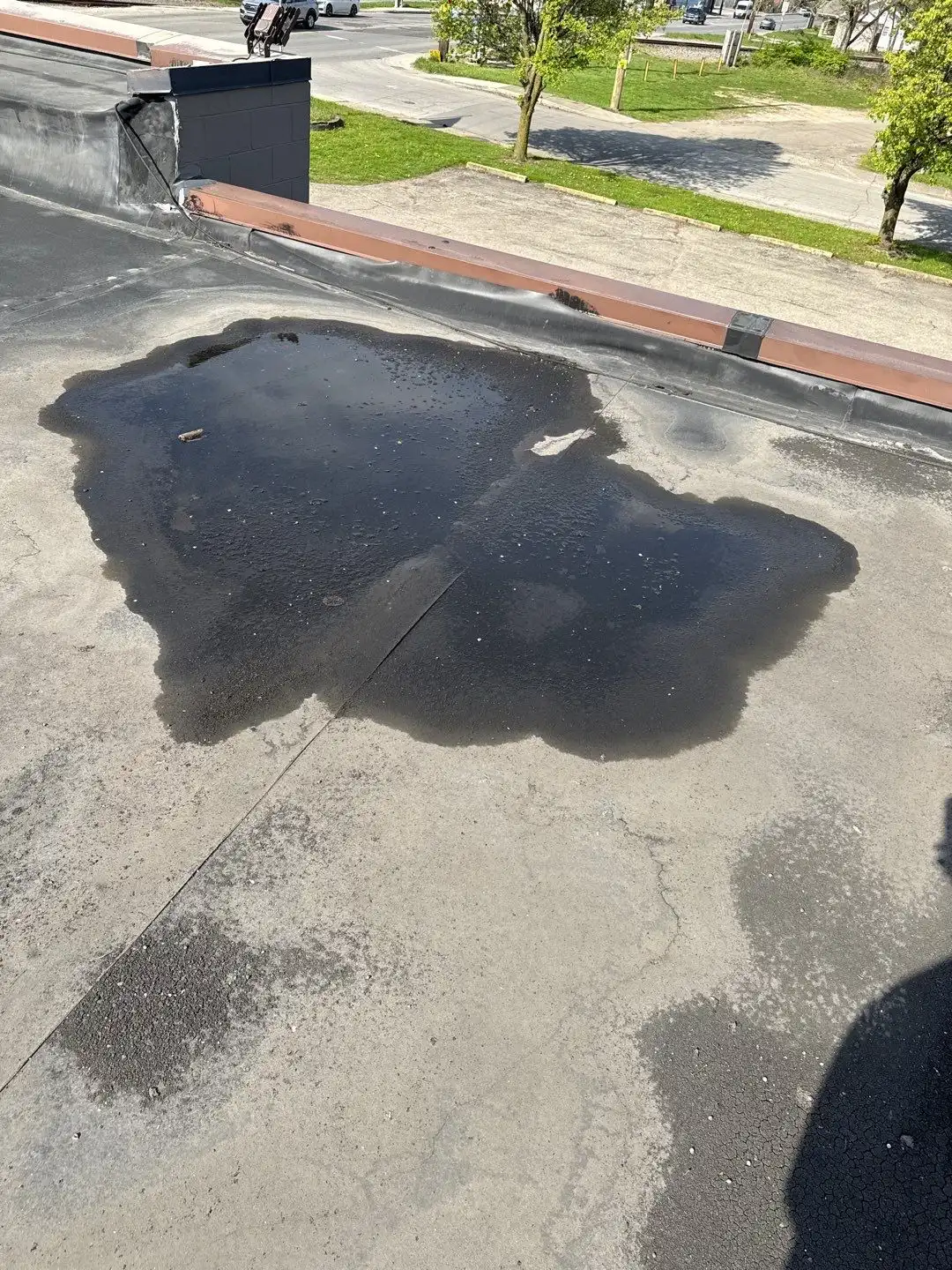
- Drain and scupper repairs where ponding water has stressed the membrane
- Metal roof fastener and panel seam repairs after wind or hail
- Built up roof (BUR) blister and split repairs on older buildings
- Skylight curb and pitch pan resealing
- Storm related tarping and emergency dry in after wind or impact damage
Each of these has a different price band, different lifespan, and different decision point on repair versus replacement.
What Drives Commercial Roof Repair Pricing
Commercial pricing is not residential pricing with a markup. It is built from different inputs:
- Roof system type: TPO, EPDM, PVC, modified bitumen, BUR, or standing seam metal
- Access difficulty: single story warehouse vs. three story office with no roof ladder
- Square footage of the repair area (not the whole roof)
- Penetrations involved: a clean field repair is cheaper than work around an HVAC curb
- Substrate condition: wet insulation under the membrane changes the scope quickly
- Code requirements for Middletown commercial work and any tenant or warranty considerations
- Material lead time for color matched panels or specialty membranes
- Crew size and staging: rooftop equipment, lift rentals, and dumpster placement all factor in
- Active warranty status: some manufacturer warranties require certified installers and specific materials
What to Have Ready When You Call
- Building address and roof type (if known)
- Approximate age of the roof and any prior repair history
- Where leaks are appearing inside the building
- Whether tenants are currently affected
- Insurance carrier information if storm related
- Access details: ladder location, roof hatch, or required escort
- Copies of any existing warranty documents or prior inspection reports
- After hours contact for the property manager or maintenance lead
When Water Has Already Reached the Interior
Roof leaks rarely stop at the roof. Once water hits insulation, ceiling tiles, drywall, or stored inventory, you have two problems running in parallel. Middletown Commercial Roofing handles both sides, which prevents the finger pointing that often happens when separate vendors are involved. For broader context on how commercial water events unfold and what recovery looks like, our breakdown of commercial water damage restoration and business recovery is a useful companion read.
Signs Your Roof Needs Repair Now, Not Next Quarter
- Ceiling tiles staining or sagging in a tenant space
- Visible drips during or shortly after rain events
- Bubbles, blisters, or soft spots underfoot on a flat roof
- Open seams or fishmouthing along membrane laps
- Loose, lifted, or corroded metal panel fasteners
- Ponding water still present 48 hours after rain
- Daylight visible through deck or fastener holes from inside
- Moisture or mildew odors near interior perimeter walls
- Granule loss collecting in gutters or at downspout outlets
- Sealant cracking around pipe boots, vents, or pitch pans
- Rust streaks running down metal panels or fasteners
If any of these are present, an inspection is worth scheduling now. We coordinate with property managers and tenants so the visit does not disrupt operations, and our commercial roof inspections include moisture readings, penetration photos, and a written scope you can share with ownership or insurance.
Why Property Managers in Middletown Call Middletown Commercial Roofing
- Honest assessments, including telling you when repair is the wrong call
- Free inspections and itemized estimates
- Respectful crews who protect tenant spaces during work
- Coordination with insurance adjusters when storms are involved
- One vendor for roof repair and interior water damage cleanup
- Clear communication with ownership, tenants, and maintenance staff throughout the job
- Documentation packages that support insurance claims and capital planning
Typical Price Ranges
The chart below reflects what Middletown property managers typically pay for common commercial roof repair scopes. These are not quotes, just realistic ranges to set expectations.
Our Commercial Roof Repair Process
- Phone intake. We assess severity, building type, and whether there is active water inside.
- Emergency stabilization if needed. Tarp, temporary membrane patch, or interior containment to stop loss.
- Full inspection. Roof walk, drain check, seam probe, infrared if substrate moisture is suspected.
- Written estimate. Itemized scope, materials, labor, and any access or disposal line items.
- Scheduling. We coordinate around tenant hours, deliveries, and weather windows.
- Repair execution. Crews stage materials, isolate the work area, and protect interior tenants.
- Final walk. Water test where appropriate, photos, and warranty terms in writing.
Repair vs. Restoration vs. Replacement
Use this quick decision filter before approving any scope:
- Repair makes sense when: the roof has more than 5 years of expected life, damage is localized, and substrate is dry
- Restoration (coating) makes sense when: the membrane is weathered but sound, seams are stable, and you want to add 8 to 12 years before replacement
- Replacement makes sense when: wet insulation is widespread, the deck is compromised, or repairs have stacked up over multiple years
If your situation points toward full tear off, we can walk through commercial roof replacement options and what a phased approach might look like to spread cost across budget cycles.
Ways to Stretch the Life of a Repaired Roof
Once a repair is complete, a few low cost habits keep the rest of the roof from becoming next year's problem:
- Schedule semiannual inspections, ideally in spring and fall, to catch small issues early
- Keep drains and scuppers clear of leaves, gravel, and debris that cause ponding
- Trim back overhanging branches that scrape membranes or drop heavy debris
- Limit rooftop foot traffic to walkway pads and trained service vendors
- Document every HVAC or solar penetration added after the original install
- Keep a maintenance log so future repair scopes do not start from scratch
These steps are not glamorous, but they are the difference between a 15 year roof and a 25 year roof.
Common Roof Systems and How They Fail
Knowing your roof system helps frame the conversation with any contractor. Here is how the most common Middletown commercial systems tend to age and break down:
- TPO: seam separation and punctures from foot traffic near HVAC units are the usual culprits
- EPDM: shrinkage at perimeter flashings and adhesive failure at seams
- PVC: plasticizer migration in older membranes leads to brittleness and stress cracks
- Modified bitumen: granule loss, end lap separation, and blistering in heat aged areas
- Built up (BUR): alligatoring, ridging, and split membrane over wet insulation
- Standing seam metal: fastener back out, sealant failure at panel laps, and oil canning
A repair scope that ignores the system type is a repair scope that fails early. We match materials and methods to what is already on the roof, which protects both the patch and any remaining manufacturer warranty.